TL;DR: Yes, statistically. As a population, the average mestizo Mexican is roughly 60% Native American by ancestry, sometimes more, with the rest mostly European and a smaller amount of African. Traced through the maternal line alone, that Indigenous figure climbs past 85%. So genetically, the typical Mexican is more Native American than anything else. Whether that makes someone “Native American” in the legal or self-identified sense is a separate question, and that is where it gets interesting. Short version: most Mexicans carry substantial Native American ancestry, often a majority of it, but “Native American” means different things depending on whether…
-
-
Curious about the cultural significance of scalping among Native Americans? Discover the deep-rooted beliefs and historical contexts that shaped this complex tradition.
-
Discover the intriguing factors behind the varied facial hair growth among Native Americans and the cultural significance that shapes their experiences.
-
Pioneering their way through history, Native Americans formed deep bonds with dogs, but what secrets do these relationships reveal about their culture?
-
In a country where over 9 million identify as Native American, what factors contribute to this vibrant population's resilience and growth today?
-
Journey into the rich tapestry of Native American cultures, where resilience and tradition intertwine, revealing a vibrant identity that continues to evolve today.
-
Many Native Americans have unique perspectives on Thanksgiving; discover the reasons behind their diverse celebrations and what they truly mean.
-
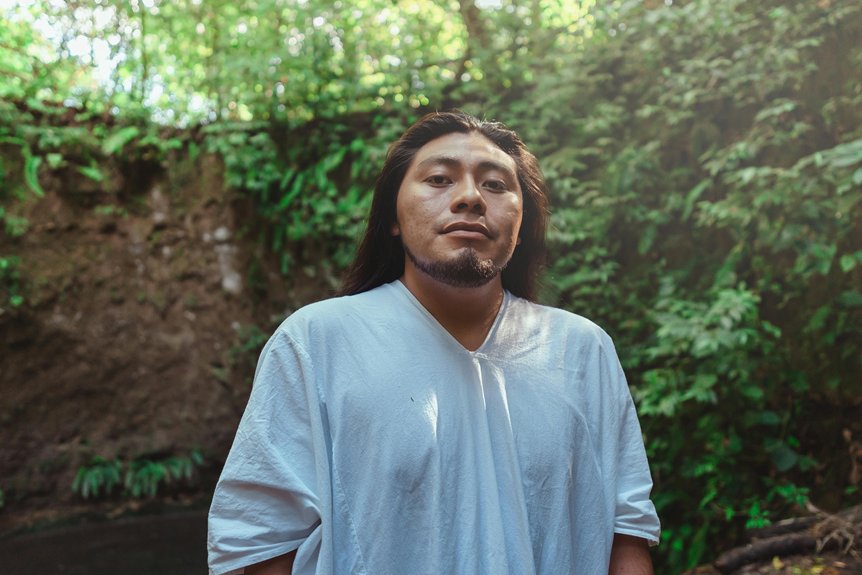
Uncover the deep cultural significance of long hair among Native Americans and explore the stories that intertwine identity, resilience, and connection to their heritage.
-
Bridging the gap between Native American and Mexican identities reveals a complex history—what implications does this have for cultural understanding today?
-
Keen to discover the truth behind Native Americans and facial hair diversity? Uncover the genetic and cultural factors that shape these unique expressions.